
Heat Distribution
Some sections hold while others cool, or one side runs warmer than the other.
Cambridge, Ontario
When holding heat runs uneven or controls stop responding, pass and buffet lines feel it first. A visit reviews the symptoms at the warmer so next steps can be confirmed.
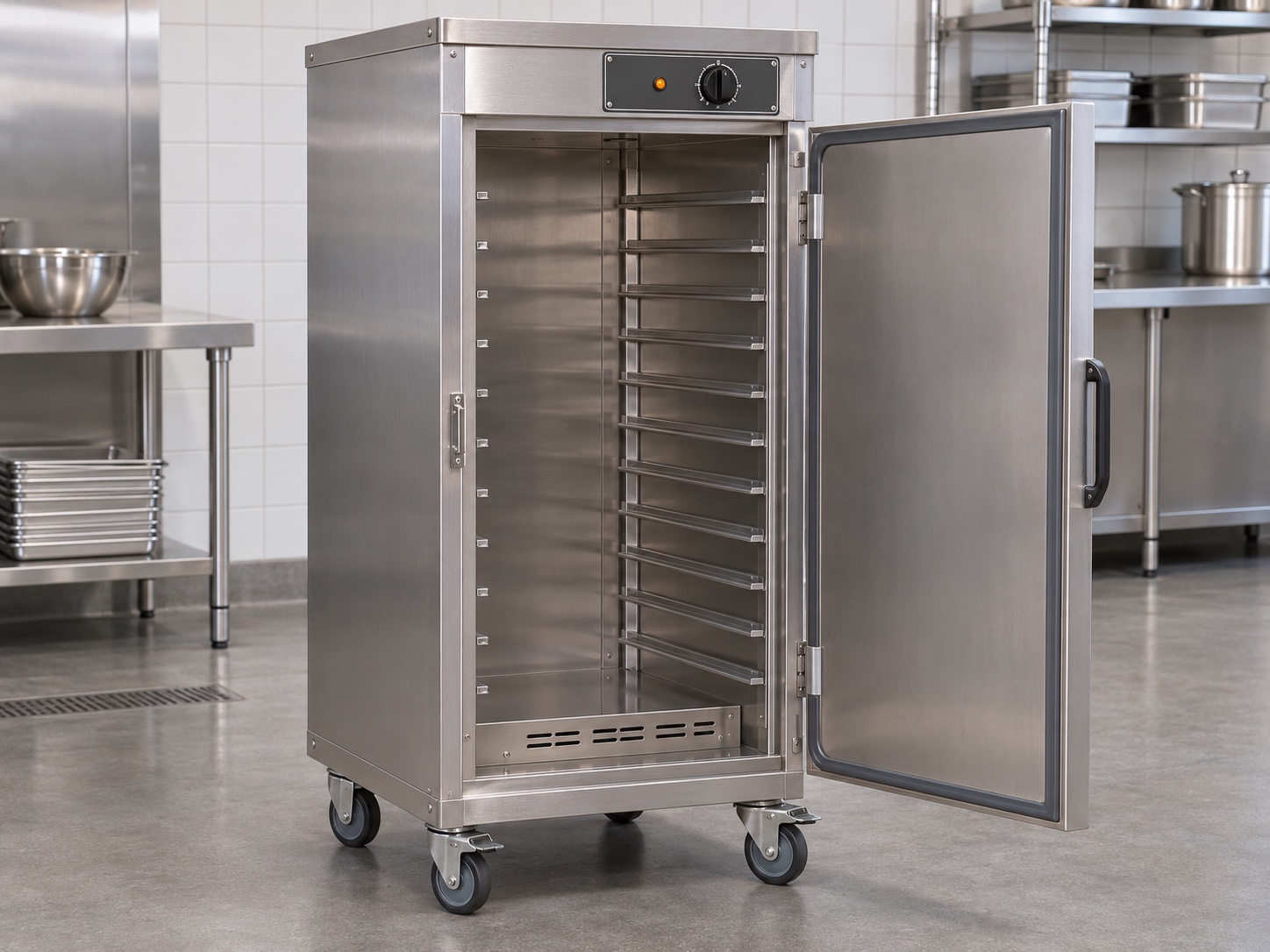
Uneven holding heat is a common reason to request a visit: some pans hold temperature while others cool, or one side of a display runs warmer than the other. Noting which wells, shelves, or sections behave differently, and at which settings, gives the visit a practical starting point.
Holding controls are a second pattern. Dials or digital settings may respond inconsistently, indicator lights may not reflect the chosen setting, or the unit may drift after being set. Recording which controls are affected and what happens after adjustment helps focus the review.
Doors and covers round out the picture. Sliding doors that stick or covers that leave gaps can make steady holding harder to maintain. Describing which ones are involved helps the visit document the behaviour in place.
Some sections hold while others cool, or one side runs warmer than the other.
Settings that respond inconsistently, drift after adjustment, or read unclearly.
Doors, lids, or covers that stick, sit unevenly, or leave gaps.
The assessment starts with what you share: the make and model from the rating plate, the symptoms noticed, and how the warmer supports service between kitchen and dining areas. At the site, the unit is reviewed in place, including heat behaviour across sections, control response, and the fit of doors and covers.
Findings are explained in plain terms. Where further work fits, scope and scheduling are confirmed with you first, and availability is confirmed on contact.
Office hours are Monday–Friday, 9 a.m.–5 p.m. Requests sent outside office hours are answered on the next business day.
Warmers often live where kitchen and dining meet: along a pass, beside a servery, or between separate prep and service rooms. Sharing which side the unit faces and which entrance reaches it without crossing seated guests helps the visit arrive at the right door.
Mixed building layouts can add timing questions, from a receiving entrance with set hours to corridors shared with other occupants. Include receiving notes, the site contact, and a window between meal periods when the warmer can be reviewed.
Sections that behave differently at the same setting point to a heat-distribution concern. An on-site review looks at each section in place. Sharing the make, model, and which areas differ helps confirm availability.
Settings that react inconsistently or drift after adjustment are reviewed at the unit. Include the make, model, and what happens after adjustment when you reach out.
Doors or covers that stick, sit unevenly, or leave gaps are checked in place. Mention which ones are involved and how they move when requesting service.
Share your make, model, and symptoms to confirm availability. Office hours are Monday–Friday, 9 a.m.–5 p.m.