
Heat Distribution
Some pan positions hold heat while others cool faster during the same service window.
Kitchener, Ontario
When a holding cabinet or countertop warmer heats unevenly during a Kitchener production window, plating and pass timing suffer. A visit reviews the unit where it is used and walks through the reported heating and control behaviour.
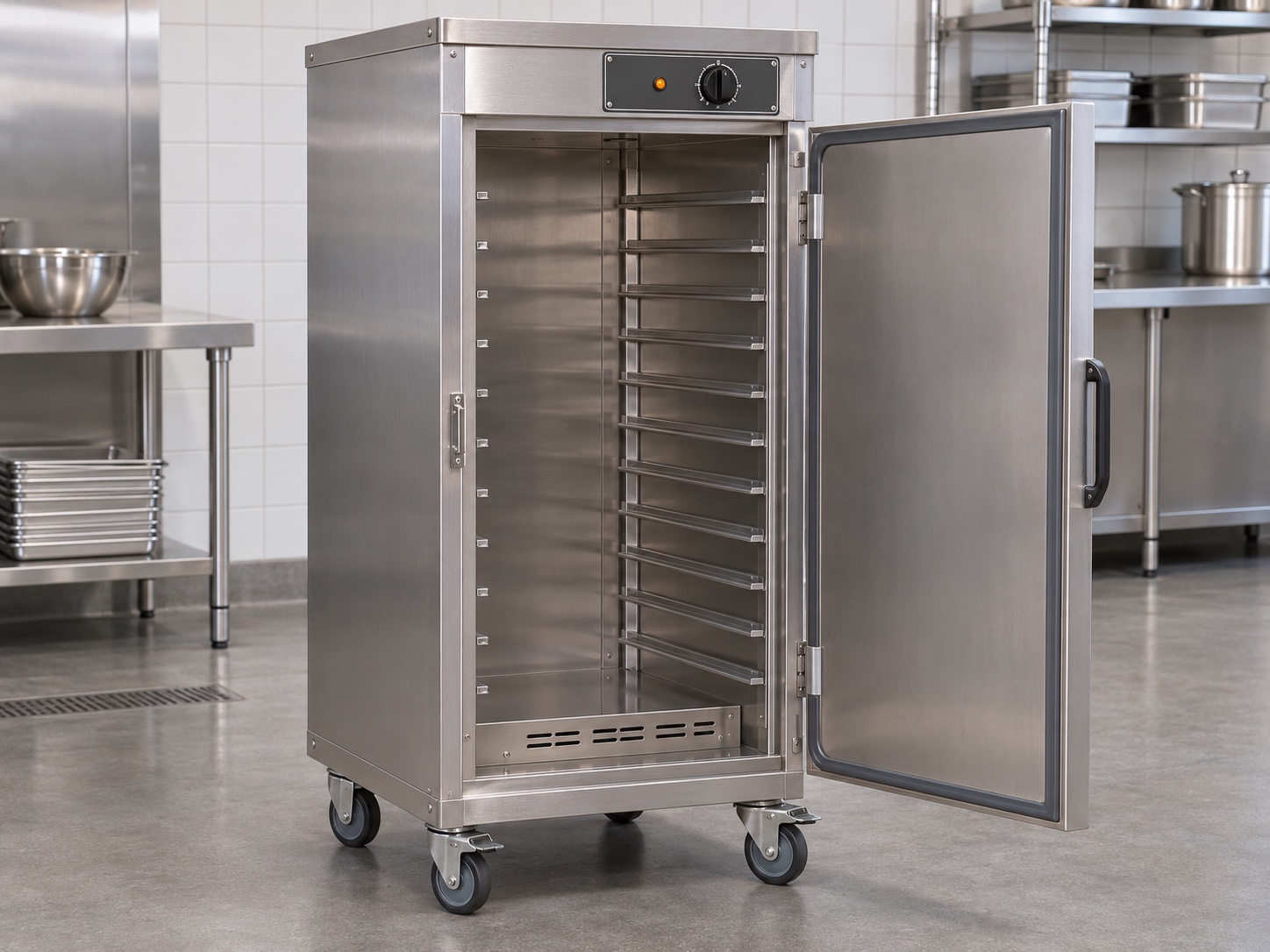
Uneven holding heat is a common reason to request a visit. One side of the cabinet may feel warmer than the other, pans may heat inconsistently, or items may cool faster than expected during service. Noting which positions are affected gives the assessment a clear starting point.
Holding controls present a second pattern. Dials or displays may respond inconsistently, settings may drift between uses, or indicator lights may not reflect the selected level. A visit reviews the controls as found and notes how the unit behaves across its available settings.
Doors and covers complete the picture. Sliding doors may bind, hinged lids may not sit level, or covers may leave gaps that let heat escape during plating. Recording which openings are affected helps focus the on-site review.
Some pan positions hold heat while others cool faster during the same service window.
Dials or displays respond inconsistently, or settings drift between uses.
Doors bind, lids sit unevenly, or covers leave gaps during plating.
An assessment starts with the details you supply: the make and model from the rating plate and the symptoms as observed. The warmer is then reviewed in its usual position, including heating behaviour across pan positions and the visible condition of doors, covers, and controls.
Findings are explained in plain terms, with the options that fit your menu flow and timing. Where further work makes sense, scope and scheduling are confirmed with you first. Availability is confirmed when you contact us.
Office hours are Monday–Friday, 9 a.m.–5 p.m. Requests sent outside office hours are answered on the next business day.
Kitchener warmers often sit at the boundary between production and service. An independent storefront may stage its holding cabinet beside a narrow pass with one lane for restocking, while a kitchen in a multi-tenant building moves pans through a shared corridor or loading area. Confirming which entrance reaches the pass, and who will meet the visit there, helps the appointment start without delay.
Access timing follows the menu. Production windows, midday service, and evening turnover keep the pass and surrounding counters in constant use. Include the full building and unit number, any check-in or parking notes, and a quieter window when the warmer, pans, and nearby counters can be reached.
Some positions holding while others cool may reflect a heat-distribution concern. Share the make, model, and which pan positions are affected to confirm availability.
Dials or displays that drift or respond inconsistently point to a control concern. Include the make, model, and how settings behave when you reach out.
Binding doors or covers that sit unevenly can let heat escape during service. Mention which openings are affected when requesting service.
Share your make, model, and symptoms to confirm availability. Office hours are Monday–Friday, 9 a.m.–5 p.m.