
Heat Distribution
Uneven warmth across pans, cooler zones during service, or heat that fades under load.
Waterloo, Ontario
When pans heat unevenly, controls stop responding, or doors no longer close properly, holding service becomes harder to plan. An on-site visit reviews the reported symptoms at the unit so possible next steps can be confirmed with you.
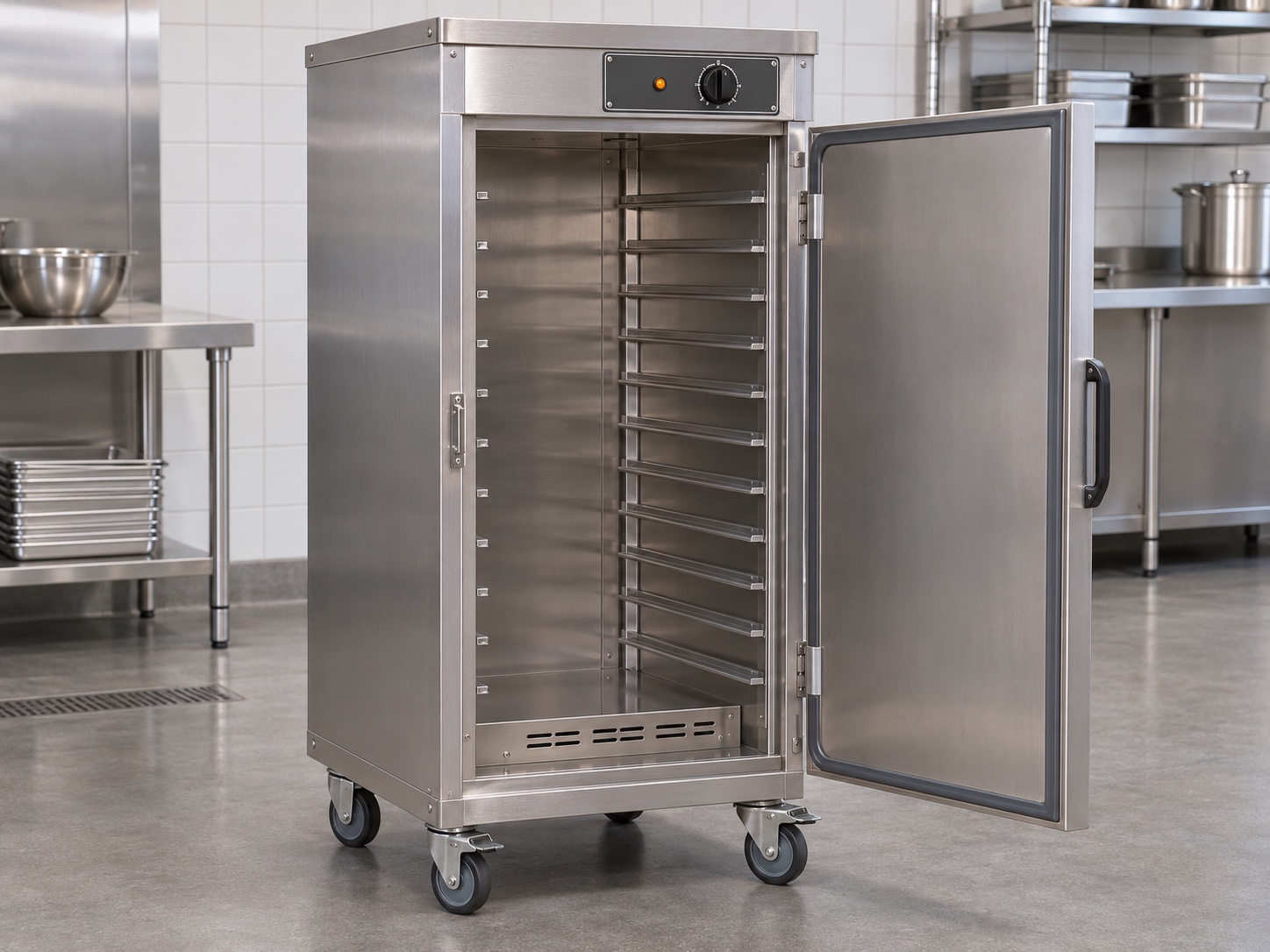
Heat distribution is a frequent reason to request a visit. Pans in a cafeteria holding line might warm unevenly from side to side, or some sections might run cooler during a long service. Noting which pans or zones are affected gives the assessment a clear starting point.
Holding controls present differently. Dials or buttons might not respond, indicator lights might behave unexpectedly, or settings might drift during service. A visit reviews the controls in place, documenting how the unit reacts when settings are adjusted.
The third pattern involves doors and covers. Sliding doors might stick, lids might not sit flat, or hinges and latches might leave gaps along the edges. Recording which doors or wells are affected helps focus the on-site review.
Uneven warmth across pans, cooler zones during service, or heat that fades under load.
Dials or buttons that do not respond, unexpected indicator behaviour, or drifting settings.
Doors that stick, lids that will not sit flat, or gaps around hinges and latches.
An assessment begins with the details you supply: the make and model from the rating plate and the symptoms noticed. The warmer is then reviewed in place, including heat behaviour across wells or shelves, control response, and the fit of doors and covers.
Findings are explained in plain terms, along with the options that fit your situation. Where further work is appropriate, scope and scheduling are confirmed with you first. Availability is confirmed when you contact us.
Office hours are Monday–Friday, 9 a.m.–5 p.m. Requests sent outside office hours are answered on the next business day.
Waterloo warmers often sit along cafeteria serving lines or dining counters where the unit is reached through a receiving entrance or a shared back hallway. A cafeteria with set meal periods, for example, might prefer a visit between services when pans are out and the line is clear.
A building with a locked service door or reception sign-in might ask visitors to check in first, and access timing may depend on when a facilities contact is on site. Including the receiving entrance, any check-in steps, and a suitable window when the warmer can be reached helps the appointment start without delay.
Uneven warmth across pans or zones may involve heat or airflow factors. Sharing make, model, and which sections run cooler helps confirm availability.
Dials or buttons that will not adjust, or settings that drift, point to a control concern. Include make, model, and what happens when settings change.
Sticking doors, loose lids, or gaps at hinges may affect holding. Mention which doors or wells are affected when requesting service.
Share your make, model, and symptoms to confirm availability. Office hours are Monday–Friday, 9 a.m.–5 p.m.